Heat stress in livestock happens when animals take in or produce more heat than they can lose, and in a UAE summer that’s most days from May to September. The first thing it hits is appetite: animals eat less, so growth, milk and eggs all fall. The fix is to feed in the cooler hours, make every mouthful count, keep water cool and unlimited, and give animals proper shade and airflow.
This guide is for UAE livestock owners, from ezba keepers with a few sheep to farm managers running dairy, fattening or poultry units. It covers the signs, why heat cuts performance, and the practical feeding and management changes that make a real difference.
Quick answer: To reduce heat stress in livestock, feed most of the ration early morning and evening, offer fresh feed more than once a day, keep forage good quality, give salt and minerals, and supply unlimited cool, clean water in shaded troughs. Add shade, airflow and, where possible, fans or misters. Call a vet for animals showing severe signs.
How heat stress affects livestock
Animals make heat all the time through digestion and activity. Ruminants make a lot, because fermenting forage in the rumen releases heat. When the air is hotter than the animal, or humidity stops sweat and panting from working, that heat builds up.
The body responds by cutting the things that make heat. Animals eat less, ruminate less, move less and send blood to the skin instead of the gut. The results are predictable:
- Lower feed intake, often down 10 to 25% or more in cattle during hot spells
- Slower growth and poorer feed conversion in fattening stock
- Lower milk yield and sometimes lower butterfat
- Fewer and weaker eggs in laying hens
- Poorer fertility in males and females
- Weaker immunity and more disease
Humidity makes everything worse. Coastal areas in late summer can be more stressful than drier inland areas at the same temperature, because animals can’t lose heat by evaporation as easily.
Signs of heat stress to watch for
| Stage | What you see | What to do |
|---|---|---|
| Mild | Seeking shade, standing rather than lying, drinking more, eating less | Check shade, water and feeding times |
| Moderate | Fast breathing, panting, crowding at water, drooling | Add airflow, cool water, move feeding to night and early morning |
| Severe | Open mouth panting, tongue out, head extended, staggering | Cool the animal with water and airflow, call a vet |
| Emergency | Collapse, unable to stand, fits | Call a vet immediately |
Count breaths per minute on a few animals during the hottest part of the day. A cow or sheep breathing much faster than normal while resting is telling you it’s struggling, long before it collapses.
Water first: the most important summer change
No feed strategy works without water. Water intake in hot weather can easily double, and animals that can’t drink enough stop eating.
| Animal | Typical water need, mild weather | In UAE summer heat |
|---|---|---|
| Adult sheep or goat | About 4 to 6 litres a day | Often 8 to 12 litres or more, higher if lactating |
| Beef or fattening cattle | About 30 to 50 litres a day | Often 60 to 100 litres or more |
| Dairy cow | About 60 to 100 litres a day | Often 120 to 180 litres or more |
| Laying hens (per 100 birds) | About 20 to 25 litres a day | Often 40 litres or more |
Figures vary with size, diet and production. Treat them as a guide to how much extra capacity you need, not a target to ration to.
- Shade troughs and pipes. Black pipes and tanks in the sun can deliver water hot enough to put animals off.
- Add extra troughs in summer so shy animals can drink.
- Clean troughs often. Algae grows fast in warm water.
- Check flow rates, since demand peaks after feeding.
Feeding changes that reduce heat stress in livestock
The goal is simple: help animals eat enough nutrients while producing as little extra heat as possible.
- Feed at the cool ends of the day. Give most of the ration in the early morning and in the evening or at night. Many farms feed 60 to 70% of the daily ration after sunset in peak summer.
- Feed little and often. Two or three fresh feeds beat one big load that heats, dries and goes stale in the trough.
- Raise nutrient density, not bulk. When intake falls, each kilogram needs to carry more energy and protein. A good concentrate helps here, but don’t cut fibre so far that the rumen suffers.
- Improve forage quality. Poor, stemmy hay takes longer to digest and makes more heat in the rumen. Leafy hay or alfalfa gives more nutrients per kilogram.
- Change feed slowly. Rumens under heat stress are already more prone to acidosis. Any ration change should run over 7 to 14 days.
- Keep salt and minerals available. Animals lose sodium and potassium through sweat and panting. Free access to salt and a suitable mineral helps.
A ready made, balanced feed makes this easier. For fattening sheep and cattle, Nitro Feed (14% protein) gives a consistent nutrient level in every bag, and Alfalfa Pellets are a convenient way to add quality forage when hay is poor. Both are fortified with vitamins and minerals.
Species notes for UAE summers
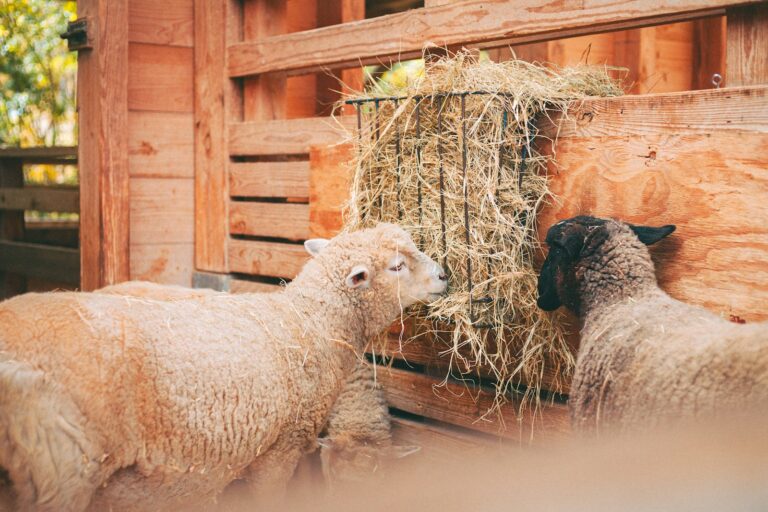
Sheep and goats. Native and desert adapted breeds cope better than imported wool breeds, but all suffer in peak heat. Fattening animals bought before Eid are often under the most stress: new surroundings, transport, grain and heat at once. Introduce grain very slowly and keep water close. Our guide to the best feed for fattening sheep has more detail.
Dairy cattle and goats. High yielders produce the most heat and feel it first. Fans, misters and night feeding pay off quickly. See our guide on dairy feed for cows for summer milk tips.
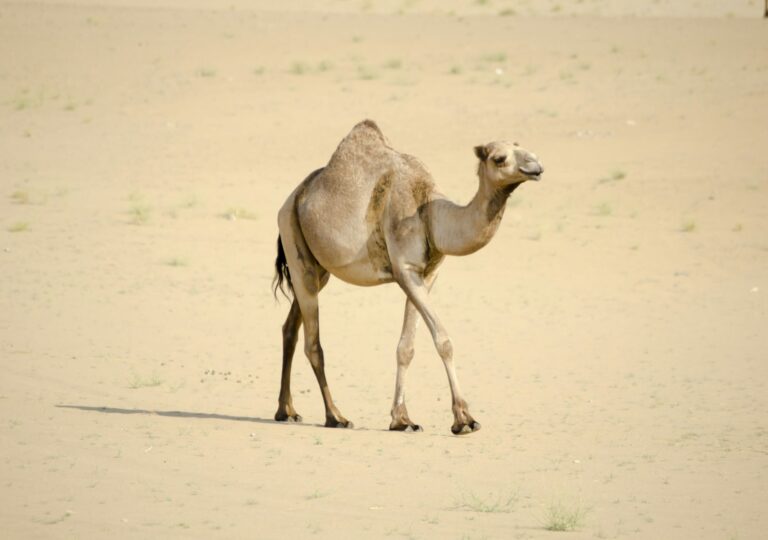
Camels. Camels are built for heat. They tolerate a rise in body temperature during the day and conserve water well. They still need shade, water and good forage in summer, especially racing, breeding and milking camels. Our camel feed UAE guide covers their needs.
Poultry. Chickens have no sweat glands and pant to cool down. Above about 30°C, layers eat less and shell quality often drops. Feed in cooler hours, keep water cool, improve ventilation and avoid handling birds in the heat. Our layer feed guide covers egg production.
Shade, airflow and housing
Feeding can only do so much if animals stand in full sun. Simple housing changes often give the biggest return.
- Shade for every animal. As a rough guide, allow around 1 square metre per adult sheep or goat and 3.5 to 4.5 square metres per adult cow, more for large or dairy animals.
- High, well ventilated roofs. Higher roofs let hot air rise away from animals. Light coloured or insulated roofing cuts radiant heat.
- Airflow. Fans over feeding and resting areas help animals lose heat, especially combined with misting or sprinklers in dry inland areas.
- Avoid crowding. Packed pens trap heat and humidity. Spread animals out in summer.
- Handle animals early. Do vaccinations, hoof trimming, shearing and transport in the cool early morning.
Keeping feed fresh in summer
Heat damages feed as well as animals. Feed left in troughs through the day can go stale, heat up and attract flies, and stored feed loses vitamins faster. Clear uneaten feed daily, store bags in shade on pallets, keep them sealed and use them within six months of manufacture. Our guide on how to store animal feed in UAE heat explains more. If you have questions about our feeds for summer, you can contact us.
Frequently asked questions
What are the first signs of heat stress in livestock?
Early signs include animals crowding into shade, standing instead of lying down, drinking more, eating less and breathing faster than normal while resting. As it gets worse you’ll see panting, drooling and open mouth breathing. Acting at the early stage, by improving water, shade, airflow and feeding times, prevents most serious losses. Severe signs need a vet straight away.
What is the best time to feed animals in summer?
Feed most of the daily ration in the early morning and the evening or night, when temperatures are lower and animals are more willing to eat. Many UAE farms feed 60 to 70% of the ration after sunset during peak summer. Offer fresh feed more than once a day and clear stale feed so troughs stay appealing.
Should I reduce feed in hot weather?
Animals reduce intake on their own in the heat, so the aim is usually the opposite: help them eat enough. Make each kilogram count with good quality forage and a balanced concentrate, and feed at cooler times. Don’t push large grain meals in a single feed, though, as heat stressed animals are more prone to acidosis. A nutritionist can adjust rations for your herd.
How much water do sheep need in UAE summer?
An adult sheep may drink around 4 to 6 litres a day in mild weather, and often 8 to 12 litres or more in summer heat. Lactating ewes and animals on dry grain diets drink more still. Provide unlimited clean water in shaded troughs, with enough space that every animal can drink, and check supply daily.
Do camels suffer from heat stress?
Camels handle heat far better than other livestock. They let their body temperature rise during the day and conserve water well. They can still suffer in extreme heat, especially when working, racing, lactating or short of water. Give camels shade, regular access to water and good forage throughout summer, and watch for reduced appetite.