Calf starter feed is a high-protein concentrate that you offer from the first week of life to build the calf’s rumen and prepare it for weaning. Offer a small handful of fresh starter and clean water from about day three, increase as the calf eats more, and wean once it is eating around 1 to 1.5 kg of starter a day for three days in a row, usually at 6 to 8 weeks. Starter intake, not age alone, tells you when a calf is ready.
This guide explains why starter matters, how much a calf eats week by week, how to wean without a growth check and what changes in UAE heat.
Quick answer: Offer calf starter and water from the first week. Calves eat very little at first, then intake rises quickly after week three. Wean gradually over 7 to 14 days once the calf eats about 1 to 1.5 kg of starter a day for three consecutive days, and keep it on starter until about three months.
Why calves need calf starter feed
A newborn calf works like a single-stomached animal. Milk bypasses the rumen through the oesophageal groove and goes straight to the abomasum. The rumen is small and undeveloped. For the calf to live on solid feed after weaning, that rumen has to grow and develop the small finger-like papillae that absorb nutrients.
What drives that growth is fermentation of grain-based feed. When a calf eats starter, rumen microbes ferment it into volatile fatty acids, especially butyrate, and those acids stimulate papillae development. Hay on its own does not do this nearly as well in the first weeks. So starter is the feed that builds the rumen.
A good calf starter typically has:
- About 18 to 22% crude protein for growth.
- Highly palatable grains and protein sources so calves eat it early.
- Added vitamins and minerals.
- A texture calves like, such as pellets, coarse mix or a blend.
Our Calf Starter is made at the Long Reach mill in Al Ain with 18% protein, plant ingredients and added vitamins and minerals, in 30 kg bags.
Colostrum and milk come first
Starter only works if the calf gets a healthy start. A newborn calf has almost no immunity of its own and depends on antibodies from colostrum. Mainstream advice is to feed good-quality colostrum as soon as possible after birth, ideally within the first two hours, with a total of about 10 to 12% of body weight in the first 12 hours. For a 40 kg calf that is around 4 litres in the first feed.
After that, calves need milk or milk replacer, generally around 10 to 20% of body weight a day split into at least two feeds, depending on the system. Higher milk feeding gives faster early growth but often slows starter intake, so weaning needs extra care. Your vet can help set a milk plan for your breed and setup.
When to start calf starter feed
Put starter in front of the calf from around day three, together with fresh water. Expect almost nothing to be eaten in the first week. That is normal. What matters is that the calf has the chance to nibble and learn.
Tips to get calves eating:
- Offer a small handful in a clean bucket and replace it daily so it stays fresh.
- After a milk feed, put a few pellets in the calf’s mouth or on the bucket lip.
- Keep the starter bucket away from the water bucket so it does not get wet and sour.
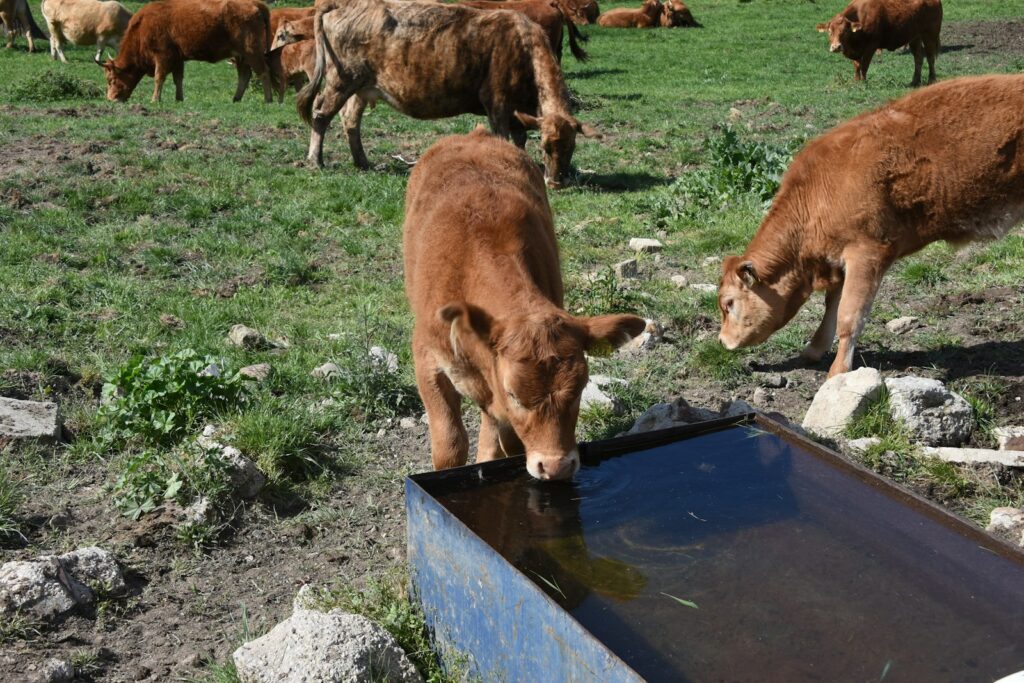
- Always provide clean water. Calves eat much more starter when they have free access to water. A rough guide is about 4 litres of water for each kilo of starter eaten.
How much calf starter does a calf eat?
Intake starts tiny and then climbs fast. The table shows typical ranges for dairy calves on a conventional milk programme. Calves on high milk volumes usually eat less starter until milk is reduced.
| Age | Typical starter intake per day | What to aim for |
|---|---|---|
| Week 1 | Under 50 g | Fresh starter and water available |
| Week 2 | 50 to 150 g | Calf nibbling daily |
| Week 3 | 150 to 350 g | Steady increase |
| Week 4 | 300 to 600 g | Intake rising each week |
| Week 5 to 6 | 0.6 to 1.2 kg | Start weaning when on target |
| Week 7 to 8 | 1.2 to 2 kg | Weaned, starter fed freely |
| Week 9 to 12 | Up to 2.5 to 3 kg | Begin moving to grower feed |
These figures are general guides for medium to large dairy breeds. Smaller breeds eat less. Track intake by weighing what you offer and what is left. It is the most useful number you can record in the first eight weeks.
A 30 kg bag of starter goes a long way at first. Over the whole pre-weaning period, a calf typically eats somewhere around 20 to 35 kg in total, so plan roughly one bag per calf to weaning, then more after.
When to wean a calf
The common rule is to wean when the calf eats about 1 kg of starter a day for three days in a row for smaller breeds, or about 1.5 kg for large breeds such as Holsteins. Most calves reach this between 6 and 8 weeks.
How to wean without a setback:
- Reduce milk gradually over 7 to 14 days rather than stopping suddenly. Dropping to one feed a day is a common first step.
- Keep starter and water freely available throughout.
- Avoid other stresses in the same week, such as dehorning, moving pens or regrouping.
- Keep calves on the same starter for at least two weeks after weaning.
- Watch for any dip in starter intake or weight, and slow the process if needed.
A calf that is weaned before its rumen is ready will lose condition, and the growth it misses at this age is hard to recover.
Hay, forage and moving to grower feed
Advice on hay for young calves has changed over the years. The mainstream view now is that a small amount of good-quality, chopped hay can help rumen muscle tone and reduce feed sorting, but it should not replace starter or fill the calf up in the first weeks. Many farms offer limited hay from a few weeks of age and increase it after weaning.
From around three months, calves can move gradually from starter to a grower ration with more forage. Mix the two feeds over a week or so. A rearing feed such as Balanced Feed plus forage like Alfalfa Pellets or good hay is one option. Heifers destined for the milking herd will later move to a dairy ration, covered in our guide to dairy feed for cows. For a breakdown of protein levels across feeds, read protein percentage in animal feed.
Raising calves in UAE heat
Young calves feel heat stress quickly. In summer they drink more, may eat less starter and can dehydrate fast if they get scours.
- Give every calf shade and airflow. Hutches and pens should not trap heat.
- Keep water clean, cool and always available. Check buckets several times a day.
- Feed milk and refresh starter in the cooler early morning and evening.
- Throw out any starter that has become wet, sour or mouldy. Heat and humidity speed spoilage.
- Store bags sealed, cool and off the ground, and use them within six months of manufacture.
See our article on heat stress in livestock for more summer advice, and talk to your vet early if a calf has scours or stops eating.
Frequently asked questions
When should calves start eating calf starter?
Offer calf starter and fresh water from about day three of life. Calves will eat very little in the first week, which is normal, but early access lets them learn to eat solid feed. Replace the starter daily to keep it fresh, and keep it separate from the water bucket so it does not get wet and sour.
How much calf starter before weaning?
Most advice is to wean once a calf eats about 1 kg of starter a day for three consecutive days in smaller breeds, or around 1.5 kg in larger breeds such as Holsteins. Many calves reach that between six and eight weeks old. Reduce milk gradually over one to two weeks rather than stopping all at once.
Can calves eat hay instead of calf starter?
Not in the early weeks. Grain-based starter drives rumen development because its fermentation produces the acids that grow rumen papillae. Hay alone does this poorly in young calves. A small amount of good chopped hay can be offered alongside starter, but starter should be the main solid feed until after weaning.
How long should calves stay on calf starter?
Keep calves on starter for at least two weeks after weaning, and commonly until about three months of age. After that, change gradually to a grower ration with more forage, mixing the old and new feeds over a week or so. Sudden changes at this age can cause digestive upsets and slow growth.
Why won’t my calf eat calf starter?
Common reasons are stale or wet starter, no water nearby, high milk feeding that keeps the calf full, heat stress or illness. Offer a small fresh amount daily, place it next to clean water and put a few pellets in the calf’s mouth after milk. If the calf is dull, scouring or not drinking milk either, call a vet.