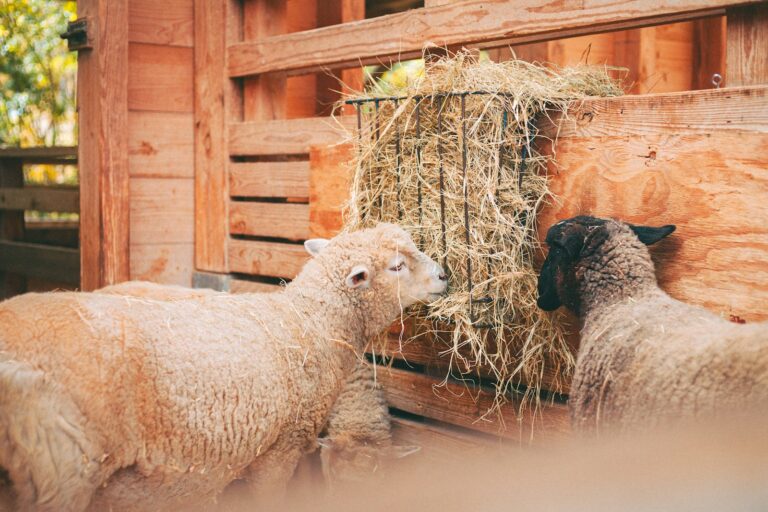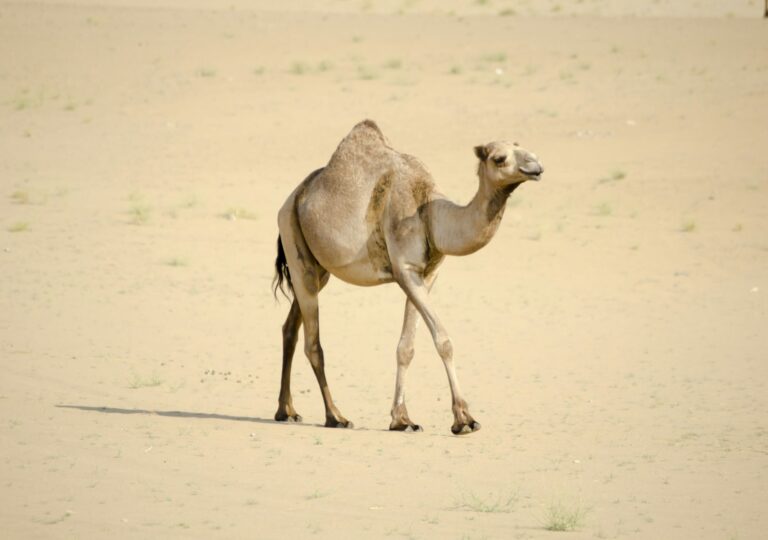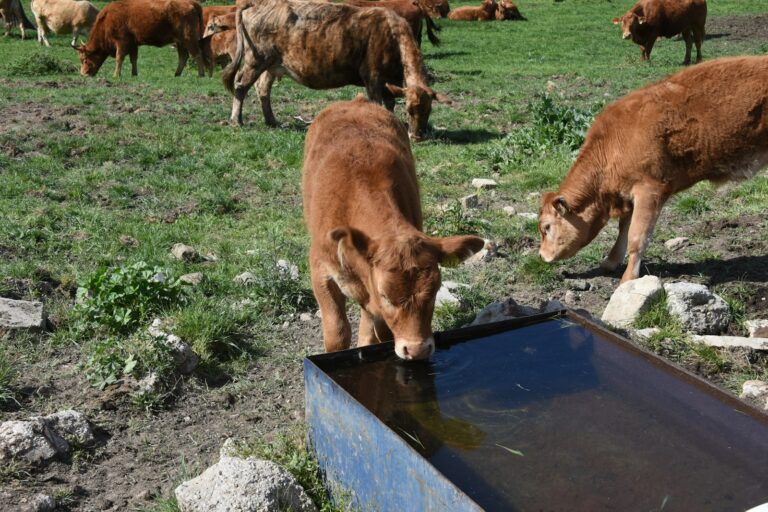
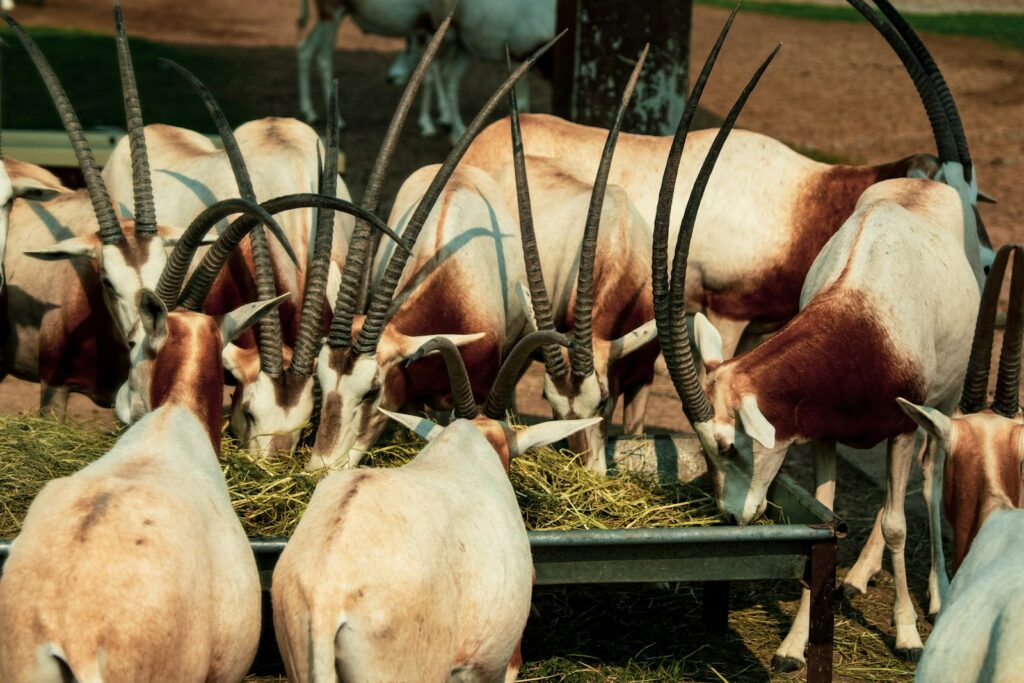
The best feed for fattening sheep and goats is a 14 to 16% protein concentrate fed alongside good hay, built up slowly over about two weeks. Healthy lambs on this kind of ration commonly gain 150 to 300 g a day. The feed matters, but so do the start, the water and the health of the animals going in.
In the UAE, fattening is usually about timing. Most farms and ezba owners want animals at the right weight and finish for Eid al Adha, when demand for sheep and goats peaks and good animals sell well. Getting there means planning back from the date, choosing the right animals, and feeding them in a way that grows meat without upsetting the rumen. This guide covers what to feed, how much, and how to avoid the mistakes that cost weight.
Quick answer: Use a 14 to 16% protein fattening feed with hay always available. Start at around 0.25 kg of concentrate per head and raise it over 10 to 14 days to roughly 2 to 3% of body weight in total dry feed, with concentrate making up 50 to 70% of the diet. Expect 60 to 90 days to finish most lambs and kids.
What makes the best feed for fattening sheep?
A good fattening feed does three things. It supplies enough energy for fast gain, enough protein to build muscle rather than just fat, and enough minerals to keep growth steady. It also has to be something the rumen can handle in large amounts.
- Protein around 14 to 16%: young animals are still building frame and muscle. Below about 13% in the total diet, gain slows.
- High energy from grains: barley, corn and maize supply the energy for fat cover and weight. Flaked grains are easier to digest than whole grains.
- Minerals and vitamins: fattening diets heavy in grain are high in phosphorus and low in calcium. A balanced feed corrects this.
- Some fibre: even fattening lambs need roughage. Without it, acidosis and bloat become real risks.
Long Reach Nitro Feed is a 14% protein fattening feed for cattle and sheep. Super Mix at 16% combines alfalfa, grains, vitamins and minerals for fattening goats, cattle and camels. Both are plant based and fortified, so you aren’t left mixing minerals in yourself.
Choosing animals for fattening
Feed can’t fix a poor animal. The best returns come from animals that are healthy, young and ready to grow.
- Age: lambs and kids around 3 to 6 months old turn feed into meat most efficiently. Older animals put on more fat for each kilogram of feed.
- Health: bright eyes, clean nose, firm droppings, no limp. Avoid coughing or scouring animals.
- Frame: a long, wide body has room to fill. Very small animals for their age may have been held back by disease or poor early feeding.
- Breed: local and imported breeds grow at different rates. Know what your buyers want at Eid, since some prefer specific breeds and finish.
When new animals arrive, keep them apart for a week or two. Ask your vet about deworming and vaccination, especially for enterotoxaemia, which is a well known risk in sheep on rich, grain heavy diets.
How much to feed and how fast to build up
The single biggest cause of losses in fattening pens is moving onto concentrate too quickly. The rumen microbes need time to adapt to starch. Rush it and you can get acidosis, bloat or sudden deaths.
| Period | Concentrate per head a day (30 to 40 kg lamb) | Hay |
|---|---|---|
| Days 1 to 3 | 0.2 to 0.3 kg | Free choice |
| Days 4 to 7 | 0.4 to 0.5 kg | Free choice |
| Days 8 to 14 | 0.6 to 0.8 kg | Free choice |
| Week 3 onward | 0.8 to 1.2 kg | 0.3 to 0.5 kg minimum |
Total dry feed for fattening lambs usually runs at 3 to 4% of body weight, so a 35 kg lamb eats around 1.1 to 1.4 kg a day, rising as it grows. Feed concentrate in two or more meals instead of one large one. It keeps rumen conditions steadier.
These are general figures. If you’re fattening a large group, a vet or livestock nutritionist can set a ration to suit your animals, hay and target date.
Hay and fibre during fattening
A fattening diet still needs roughage. A common target is 30 to 50% of the diet as forage, dropping towards the lower end in the final weeks. Fibre keeps animals chewing cud, which produces saliva that buffers rumen acid.
Alfalfa is a good choice because it adds protein and calcium, helping balance the phosphorus in grain. Rhodes grass works too but brings less protein, so the concentrate needs to carry more. Alfalfa Pellets are handy where storage is tight, though some long hay is still good for rumen health. Our comparison of alfalfa pellets vs hay goes into the trade offs.
Water, salt and the urinary stone problem
Male lambs and kids on grain diets are prone to urinary stones, which can block the urethra. It is a painful and often fatal problem, and it is one of the most common losses in fattening pens. The main defences are simple:
- Plenty of clean, cool water. Animals that drink more pass more urine and form fewer stones. In summer a fattening lamb can easily drink 5 to 8 litres a day.
- A good calcium to phosphorus ratio. Around 2:1 is the usual target. Grain is high in phosphorus, so a balanced feed or alfalfa helps.
- Salt. Salt encourages drinking. Many commercial feeds include it.
Watch males for straining, dribbling urine or standing hunched. Call a vet straight away if you see this.
A simple 90 day plan before Eid
Work back from the Eid date. Most lambs bought at 25 to 30 kg can reach 40 to 50 kg in 60 to 90 days with good feeding and health.
- Day 90 to 80 before Eid: buy or select animals. Quarantine, vet check, deworm on advice.
- Day 80 to 66: step up onto the fattening feed using the table above.
- Day 66 to 14: full feeding. Weigh a sample every two weeks. Expect 150 to 300 g a day per animal.
- Last two weeks: keep the ration steady. Don’t change feeds now. Handle animals calmly to protect weight.
If gain is well below target, check for worms, poor water access, bullying at the trough or a ration that’s too low in protein before buying more feed.
Common fattening mistakes
- Too much grain too soon. The classic cause of acidosis and sudden deaths.
- Whole grain only with no balancer. Plain barley is a good energy source but low in calcium and short of protein for young stock.
- Not enough trough space. Smaller animals get pushed out. Allow 30 to 40 cm per lamb so all can eat at once.
- Feeding in midday heat. In summer, feed early and late. See our guide to heat stress in livestock.
- Skipping the weigh scale. Without weights you can’t tell if the feed is paying.
If you want to mix your own ration with grains like Flaked Barley, read how to mix your own livestock ration first. A ready made fattening feed is simpler for most farms.
Frequently asked questions
What is the fastest way to fatten a sheep?
Start with a young, healthy lamb, deworm it on vet advice, and move it slowly onto a 14 to 16% protein fattening feed with hay always available. Give clean water and enough trough space. Healthy lambs commonly gain 150 to 300 g a day this way. Rushing onto grain causes acidosis and usually slows gain.
How long does it take to fatten a sheep for Eid?
Most lambs need 60 to 90 days of good feeding to put on 10 to 20 kg and reach market finish. The time depends on starting weight, breed, health and ration. Plan back from the Eid date, allow two weeks to step up onto concentrate, and weigh a sample of animals every two weeks.
Is barley good for fattening sheep?
Barley is a good energy source and widely used in fattening rations. It is low in calcium and not high enough in protein for young lambs on its own, so it needs a balancer or a complete feed alongside. Flaked barley is easier to digest than whole grain. Introduce it gradually to avoid acidosis.
Can I fatten goats the same way as sheep?
Mostly, yes. Goats need a similar 14 to 16% protein fattening ration with fibre available and a slow build up. Goats are more selective eaters and like to browse, so they may pick through mixed feeds. Pellets or a complete feed reduce sorting. Goats also tend to lay down less outer fat than sheep.
How much feed does a fattening lamb need per day?
A fattening lamb usually eats 3 to 4% of its body weight a day in dry feed. A 35 kg lamb therefore eats around 1.1 to 1.4 kg, with roughly 0.8 to 1.2 kg as concentrate once fully stepped up and the rest as hay. Increase amounts as the lamb grows.